
Mau Binh at IX7 is a 13-card arranging game where structure, comparison and patience matter more than fast tapping.
For Indian players, Mau Binh is more enjoyable when it is treated as a skill-based card session rather than a quick gamble. Learn the hand flow, keep your stake within an INR limit and avoid emotional calls when the table becomes aggressive.
What Mau Binh is about
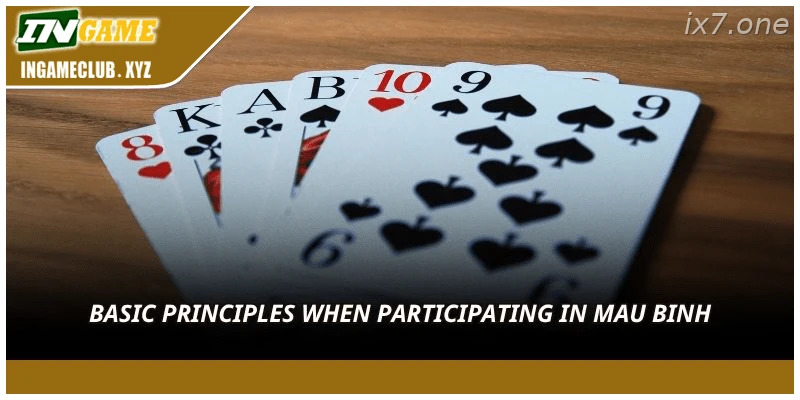
Mau Binh challenges players to divide 13 cards into three hands without breaking the required order. A beautiful top hand means little if the middle or bottom hand becomes weak, so balance is the real skill.
Basic rules Indian beginners should know
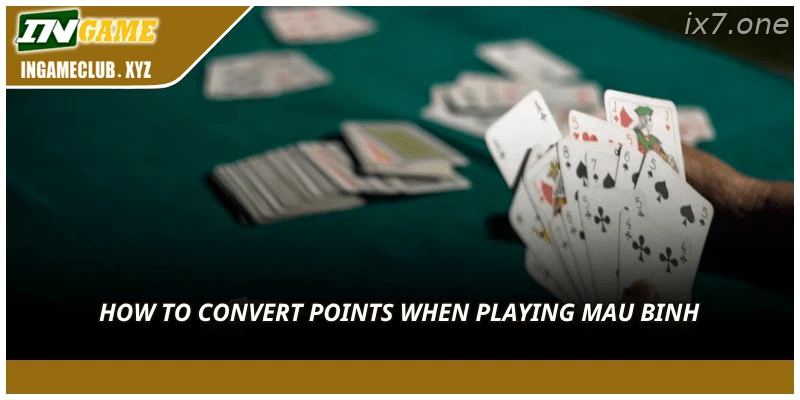
- Arrange the strongest hand at the bottom, then balance the middle and top.
- Avoid invalid hand order because it can lose the round immediately.
- Compare possible layouts before locking your final arrangement.
- Use time calmly instead of rushing the first pattern you see.
How to play Mau Binh with better control
Start with smaller tables
A lower table gives you time to read the game without putting too much pressure on your wallet balance. This is especially useful if you are still learning the sequence of moves.
Watch timing and player behaviour
Card games are not only about the cards in your hand. The speed of decisions, repeated raises and sudden folds can all tell you something about the table mood.
Do not chase one bad round
A losing hand should not decide the next five hands. Step back, check the remaining session budget and continue only if the game still feels controlled.
Practical Mau Binh tips

- Build the bottom hand first, then protect the middle hand.
- Do not overvalue one pair if it damages the full structure.
- Check for flush, straight and full-house options before confirming.
- Play lower stakes until you recognise common 13-card patterns.
Mau Binh can be a strong part of the IX7 card lobby for Indian players who enjoy thinking games. The best sessions come from patience, table reading and clear bankroll limits, not from trying to win every hand.